Sustainability is no longer a trend, it is a necessity. As global waste levels continue to rise and natural resources become increasingly limited, industries across the world are actively shifting toward sustainable materials. One of the most impactful solutions driving this change is recycled fibre, which is now widely used in everyday products across multiple sectors.
From clothing and home furnishings to automobiles and construction, recycled fibre plays a key role in reducing plastic waste while maintaining product performance. This shift not only supports environmental responsibility but also strengthens the global push toward a circular economy. In this blog, we explore the top industries using recycled fibre and how it is transforming modern manufacturing.
What Is Recycled Fibre? An Overview
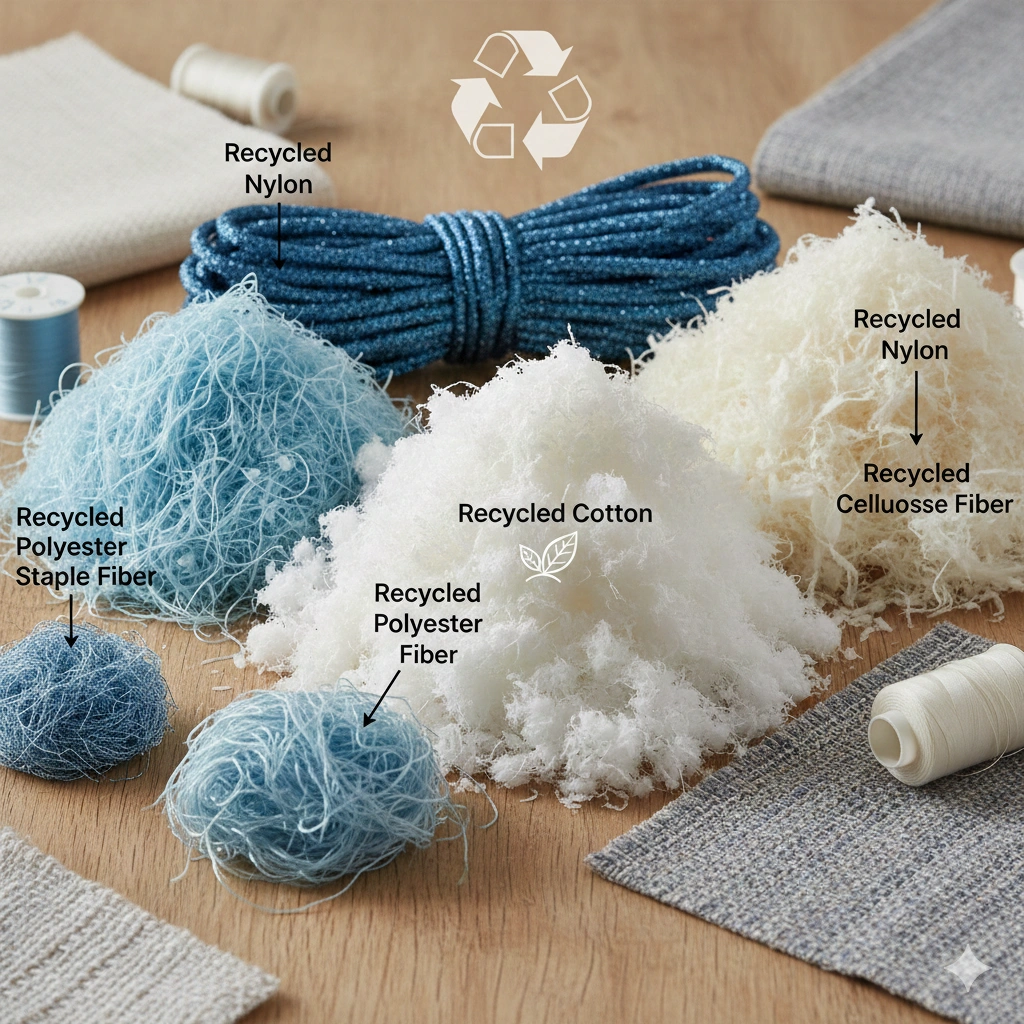
Recycled fibre refers to textile and industrial fibres produced from recycled materials rather than virgin resources. These fibres are commonly derived from post-consumer waste such as plastic bottles, discarded garments, and industrial textile scraps, or from post-industrial waste generated during manufacturing.
One of the most widely used recycled fibres today is recycled PET fiber, also known as rPET fiber, which is created through PET bottle recycling. Plastic bottles are collected, cleaned, shredded into flakes, and processed into fibres suitable for textile and industrial use.
Common types of recycled fibre include:
-
Recycled polyester
-
Recycled polyester staple fiber
-
Recycled polyester fiber
-
Recycled cotton
-
Recycled nylon
-
Recycled cellulose fibre
Unlike virgin fibres, recycled fibres reduce dependency on fossil fuels and conserve natural resources. They are a key component of sustainable textile manufacturing and play an essential role in advancing circular economy textiles, where waste materials are continuously reused instead of discarded.
Textile & Apparel Industry
The textile and apparel industry is one of the largest adopters of recycled fibre. As consumers become more conscious of sustainability, brands are increasingly turning to recycled polyester fabric and sustainable fashion materials.
Recycled fibre is widely used in:
-
T-shirts, shirts, and casual wear
-
Activewear and sportswear
-
Jackets, hoodies, and winter clothing
-
Corporate uniforms and workwear
Modern recycled polyester fiber offers durability, color retention, and comfort comparable to virgin polyester. This makes it ideal for large-scale production without compromising quality. Today, many fashion brands rely on sustainable textile materials to meet environmental commitments and customer expectations.
Home Furnishing & Interior Industry
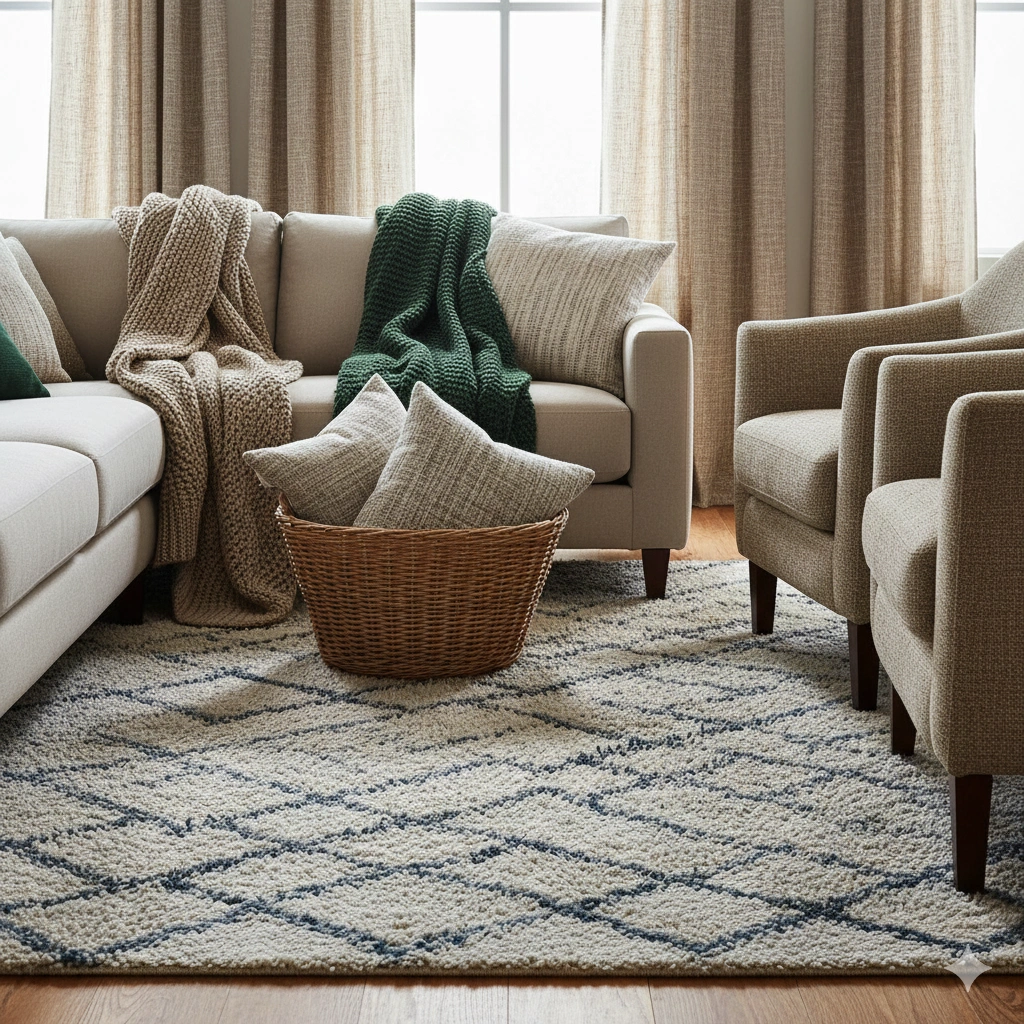
The home furnishing sector has also embraced recycled fibre for both functional and decorative products. As homeowners seek eco-conscious interiors, demand for sustainable materials continues to grow.
Common applications include:
-
Carpets and rugs
-
Curtains and upholstery fabrics
-
Cushion and pillow fillings
-
Blankets and throws
Using recycled polyester staple fiber in home furnishings improves product lifespan while reducing environmental impact. These materials also offer resistance to wear, moisture, and fading, making them suitable for long-term household use.
Automotive Industry
The automotive industry is increasingly focused on sustainability, weight reduction, and emission control. Recycled fibre plays a significant role in achieving these goals.
Applications of recycled fibre in vehicles include:
-
Seat fabrics and padding
-
Headliners and roof insulation
-
Floor mats and trunk liners
-
Sound and thermal insulation components
Automakers prefer rPET fiber and recycled polyester fiber because they are lightweight, durable, and cost-effective. Their use also helps manufacturers comply with environmental regulations while supporting sustainable innovation.
Packaging Industry
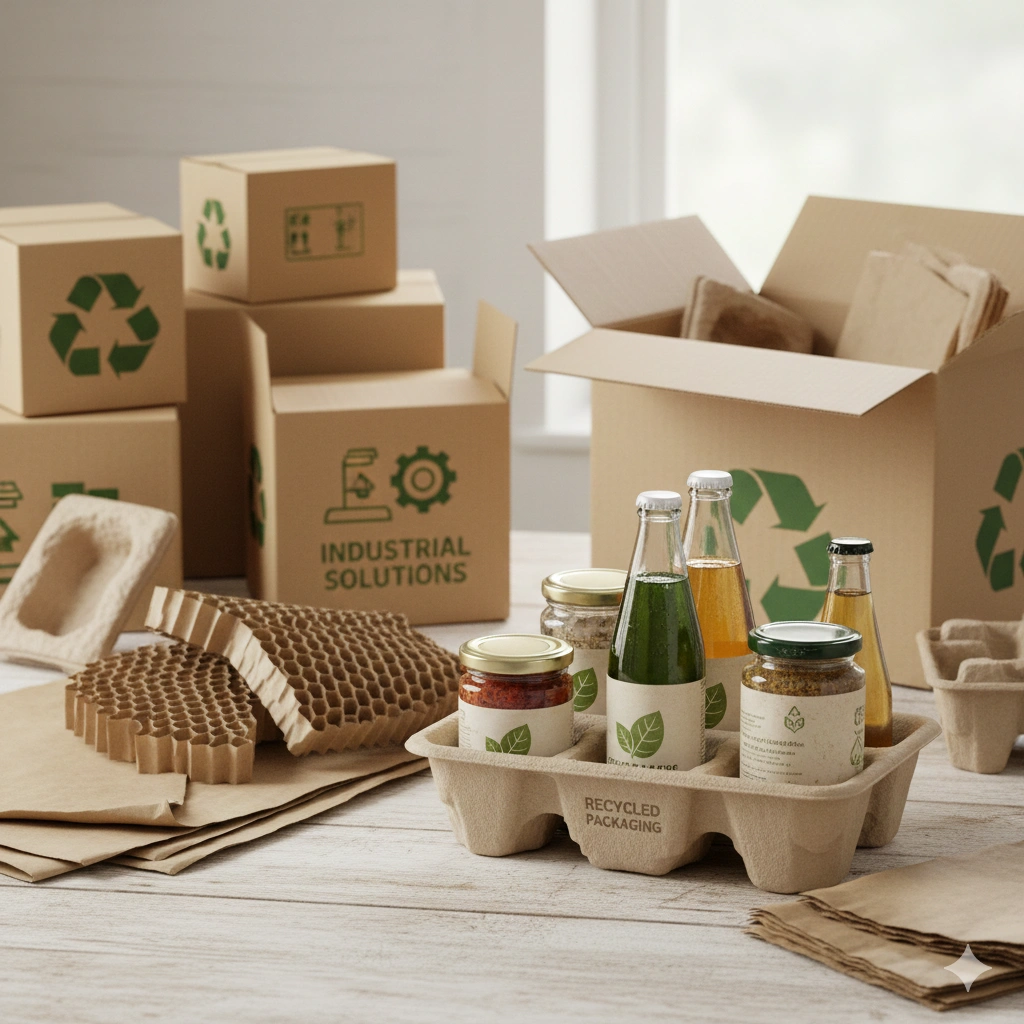
The packaging industry has undergone major transformation due to environmental regulations and consumer demand for eco-friendly solutions. Recycled fibre is now widely used as an alternative to traditional plastic packaging.
Key uses include:
-
Food and beverage packaging
-
Protective and cushioning materials
-
Industrial packaging solutions
By adopting materials derived from pet bottle recycling, companies reduce plastic pollution and promote closed-loop systems. Recycled fibre-based packaging aligns perfectly with circular economy principles while maintaining safety and functionality.
Construction & Building Materials Industry
The construction sector is adopting construction sustainable materials at a rapid pace, and recycled fibre is a valuable component in this shift.
Applications include:
-
Thermal and acoustic insulation
-
Geotextiles for soil stabilization
-
Reinforced composites and concrete additives
Using recycled polyester staple fiber improves strength, durability, and insulation performance in construction materials. It also reduces the environmental footprint of large infrastructure projects, making recycled fibre essential for sustainable urban development.
Furniture Manufacturing Industry
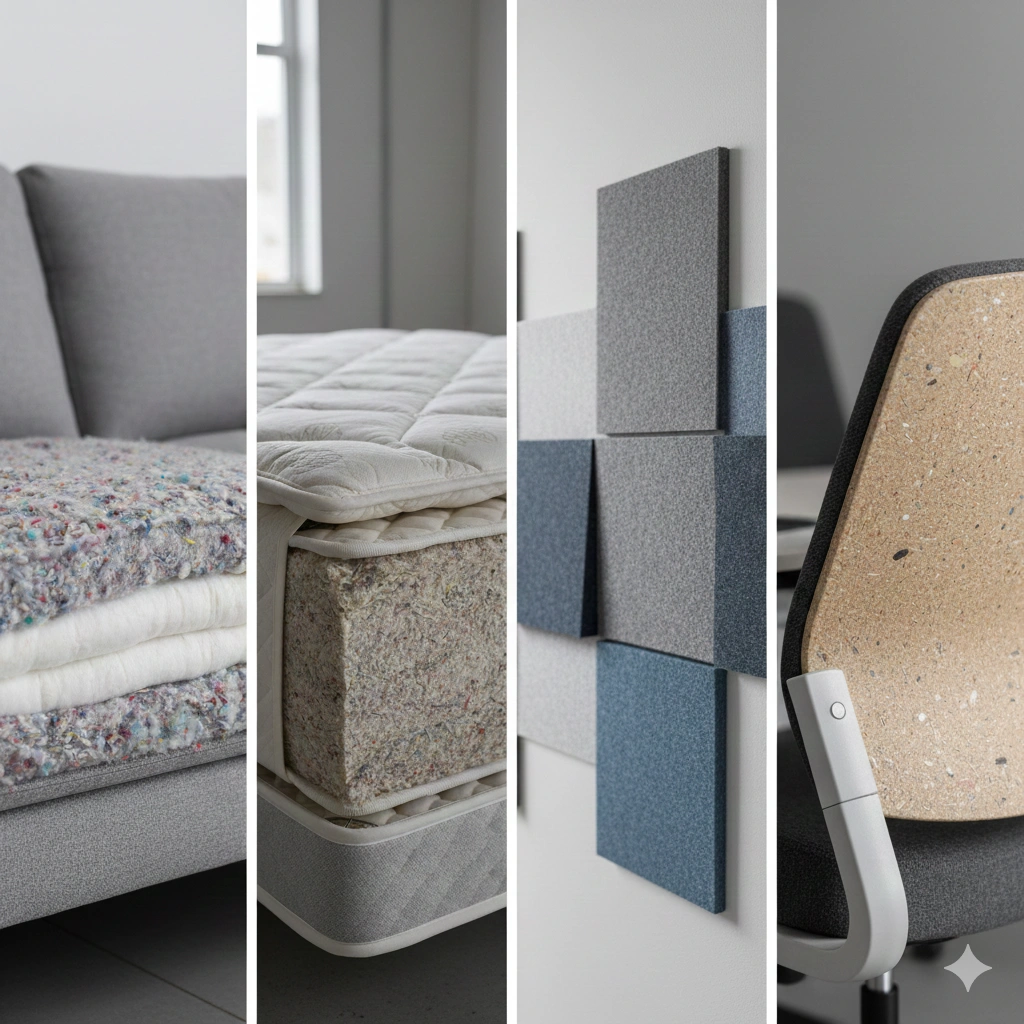
Modern furniture design increasingly focuses on sustainability without sacrificing comfort or durability. Recycled fibre has become a preferred material in furniture manufacturing.
Common uses include:
-
Sofa and chair cushioning
-
Mattress fillings
-
Acoustic and decorative panels
-
Office furniture components
Furniture manufacturers often collaborate with a polyester staple fiber manufacturer to source high-quality RPSF. These fibres offer excellent resilience and longevity, making them suitable for residential and commercial furniture.
Sports & Outdoor Products Industry
The sports and outdoor industry relies heavily on performance-driven materials. Today, recycled fibre meets these performance standards while supporting sustainability goals.
Applications include:
-
Sportswear and activewear
-
Backpacks, duffel bags, and luggage
-
Tents, sleeping bags, and outdoor gear
Recycled polyester fabric provides moisture resistance, flexibility, and durability, making it ideal for demanding outdoor conditions. Brands adopting eco friendly textile materials also gain strong environmental credibility among conscious consumers.
Industrial & Technical Applications
Beyond consumer products, recycled fibre is widely used in industrial and technical applications where strength and consistency are critical.
Examples include:
-
Filtration fabrics
-
Industrial ropes and straps
-
Protective covers and linings
In these sectors, recycled polyester fiber offers cost efficiency and reliable performance. Industries benefit from reduced raw material costs while contributing to sustainable manufacturing practices.
Challenges in Using Recycled Fibre
Despite its advantages, recycled fibre does present some challenges. Quality consistency can vary depending on the source of recycled materials. Contamination during pet bottle recycling may affect fibre purity if not properly controlled.
Other challenges include:
-
Limited availability in certain regions
-
Higher initial processing costs
-
Certification and compliance requirements
However, advancements in recycling technology continue to address these limitations, improving fibre quality and scalability.
Innovations & Future Trends in Recycled Fibre
Innovation is driving the future of recycled fibre. Advanced sorting, cleaning, and processing technologies are enabling the production of high-quality recycled polyester staple fiber suitable for premium applications.
Future trends include:
-
Increased use of closed-loop recycling systems
-
Higher demand for certified sustainable fibres
-
Expansion of sustainable textile manufacturing globally
As industries continue investing in sustainability, recycled fibre will become a standard rather than an alternative.
Benefits of Using Recycled Fibre Across Industries
The widespread adoption of recycled fibre delivers multiple benefits:
Environmental Benefits
-
Reduced landfill waste
-
Lower carbon emissions
-
Conservation of natural resources
Economic Benefits
-
Cost-effective raw material sourcing
-
Stable supply chains
-
Reduced dependency on fossil fuels
Industry and Brand Benefits
-
Enhanced sustainability credentials
-
Improved consumer trust
-
Contribution to circular economy textiles
Recycled fibre bridges the gap between performance and sustainability.
Challenges and Limitations of Recycled Fibre
Despite its advantages, recycled fibre adoption faces certain challenges:
-
Inconsistent raw material supply
-
Quality variation depending on waste sources
-
Higher processing costs in some regions
-
Need for advanced sorting and recycling infrastructure
However, ongoing innovation and improved recycling technologies are steadily overcoming these barriers.
Why Businesses Are Switching to Recycled Fibre
Businesses across industries are adopting recycled fibre for multiple strategic reasons. Consumer awareness around sustainability is at an all-time high, and brands using sustainable materials gain stronger trust and loyalty.
Key drivers include:
-
Environmental regulations and compliance
-
Cost efficiency over long-term production
-
Alignment with ESG and sustainability goals
-
Contribution to circular economy textiles
Switching to recycled fibre allows businesses to balance performance, profitability, and responsibility.
Why Industries Choose Saheb Fibre
Industries partnering with Saheb Fibre benefit from more than just raw material supply. The brand stands for reliability, sustainability, and technical expertise.
Key strengths include:
-
Consistent quality RPSF
-
Scalable manufacturing capacity
-
Commitment to sustainable materials
-
Alignment with circular economy textiles principles
As businesses move toward responsible production, Saheb Fibre serves as a trusted partner in their sustainability journey.
Conclusion: Recycled Fibre as the Future of Everyday Products
The adoption of recycled fibre across industries marks a significant step toward sustainable manufacturing. From fashion and interiors to construction and automotive applications, recycled fibre proves that environmental responsibility and high performance can coexist.
As technology advances and awareness grows, recycled polyester, RPSF, and other sustainable textile materials will continue to replace conventional materials. Embracing recycled fibre is not just an environmental choice it is a forward-thinking business decision shaping the future of everyday products.
Frequently Asked Questions (People Also Ask)
1. What products are made from recycled fibre?
Recycled fibre is used in clothing, home furnishings, automotive parts, packaging, construction materials, and industrial products.
2. Is recycled polyester as durable as virgin polyester?
Yes, modern recycled polyester fiber offers comparable durability, strength, and performance.
3. Is recycled fibre safe for everyday use?
Recycled fibre used in textiles and packaging is processed under strict quality standards, making it safe for daily applications.
4. How does recycled fibre support sustainability?
It reduces plastic waste, saves energy, lowers emissions, and supports circular manufacturing systems.
5. Which industries use the most recycled fibre?
Textiles, automotive, packaging, construction, and furniture industries are among the largest users.