Modern roofing systems are evolving fast, and sustainability now plays a major role in material selection. One of the most impactful innovations is the use of rpet flakes and their conversion into recycled polyester staple fiber (RPSF). These materials offer a smart mix of strength, durability, and eco-efficiency. For roofing manufacturers and importers, especially those sourcing from an rpet flakes exporter to Spain, RPSF has become a reliable choice for high-performance roofing products.
This guide explains how rPET flakes and RPSF improve roofing materials, where they are used, and how businesses in Spain can benefit from sourcing them.
What Are rPET Flakes and RPSF in Roofing?
Understanding recycled PET flakes for construction
rPET flakes are produced by recycling post-consumer plastic, mainly PET bottles. These flakes are cleaned, processed, and repurposed for industrial use. In construction, they are valued for their consistency and ability to be transformed into high-performance fibers.
Conversion of rPET flakes into recycled polyester staple fiber (RPSF)
Through controlled melting and extrusion, rPET flakes are converted into RPSF. These fibers are engineered to meet specific technical needs such as denier, cut length, and tensile strength. This makes them ideal for roofing applications where durability matters.
Why roofing manufacturers prefer RPSF over virgin fibers
- Lower environmental impact compared to virgin polyester
- Cost efficiency in large-scale production
- Consistent mechanical performance
- Strong compatibility with roofing membranes and insulation systems
Key technical specs: denier, cut length, tensile properties
RPSF used in roofing is typically customized based on application needs. Key specifications include:
- Denier: Controls thickness and strength of fibers
- Cut length: Determines bonding and flexibility
- Tensile strength: Ensures durability under stress
How RPSF Enhances Roofing Material Performance
RPSF improves thermal insulation of roofs
RPSF helps trap air within roofing layers, improving insulation. This reduces heat transfer, making buildings more energy efficient. In warmer regions like Spain, this can significantly lower cooling costs.
Enhancing weather resistance and UV stability
Roofing materials reinforced with RPSF show better resistance to UV rays, moisture, and temperature changes. This ensures long-lasting performance even under harsh environmental conditions.
RPSF tensile strength for roofing materials
One of the main advantages of RPSF is its high tensile strength. It helps roofing membranes resist tearing and mechanical stress during installation and use.
Long-term durability and crack resistance in membranes
RPSF reinforcement reduces the risk of cracks and structural fatigue. This leads to longer service life and lower maintenance costs.
Acoustic insulation roofing applications with RPSF
RPSF also improves sound insulation. It absorbs noise from rain, wind, and external sources, making it suitable for residential and commercial roofing systems.
Key Roofing Applications of RPSF
RPSF for roofing membranes and reinforcement layers
RPSF is widely used in membrane reinforcement. It provides structural support and prevents deformation over time.
RPSF roofing felt and underlayment
Roofing felt made with RPSF offers better flexibility and resistance to tearing, making it a preferred choice for underlayment systems.
RPSF reinforced roof insulation panels
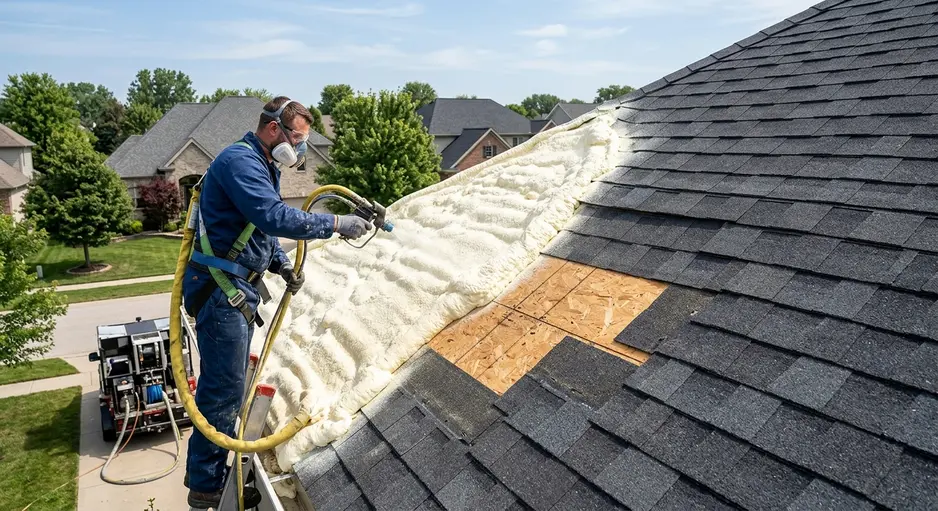
These panels benefit from improved strength and thermal performance. They are commonly used in both residential and industrial buildings.
Green roofing design using recycled fibers
Architects and builders increasingly use RPSF in green roofing designs. It supports sustainability goals while maintaining performance standards.
Industrial and commercial roofing applications in Spain
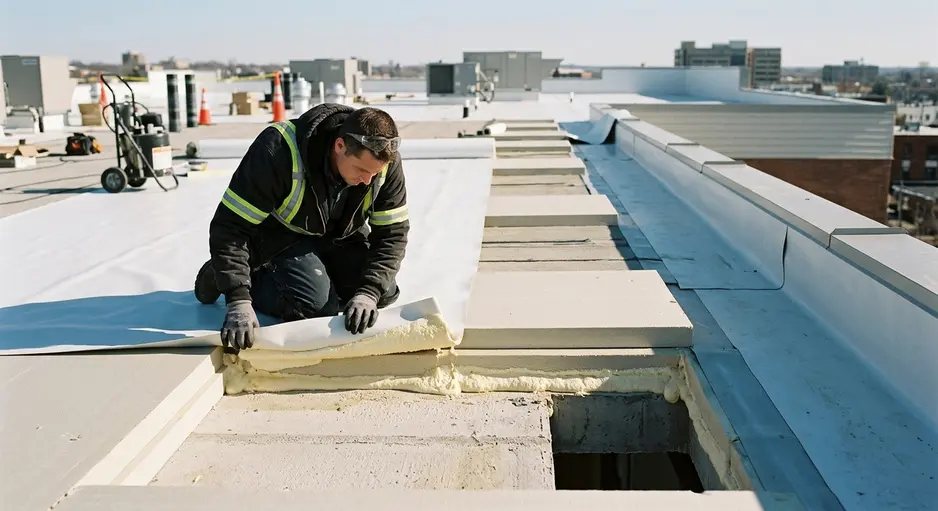
In Spain, RPSF is used in warehouses, office buildings, and infrastructure projects. Its durability makes it suitable for large-scale roofing systems.
Why Spain Is a Growing Market for rPET Flakes and RPSF
Demand for sustainable roofing solutions in Spain
Spain’s construction industry is shifting toward eco-friendly materials. Recycled products like RPSF align with national and EU sustainability targets.
Eco-friendly RPSF roofing materials Spain: market trends
There is rising demand for sustainable roofing solutions RPSF Spain. Builders prefer materials that reduce carbon footprint while maintaining quality.
Case studies: RPSF in commercial roofing Spain
Commercial buildings across cities like Madrid and Barcelona are adopting RPSF-based roofing systems for better insulation and durability.
Key cities: export rpet flakes to Madrid, Barcelona, Valencia
Major urban centers are driving demand. Importers often source materials through a bulk rpet flakes supplier Spain to meet project requirements efficiently.
Choosing the Right rPET Flakes Exporter to Spain
Qualities of a reliable rpet flakes exporter to Spain
- Consistent product quality
- Proven export experience
- Compliance with EU standards
- Ability to handle bulk orders
Bulk rpet flakes supplier Spain: what to evaluate
Buyers should assess production capacity, quality control processes, and logistics capabilities before selecting a supplier.
EU export compliance: reach standards and certifications
Compliance with REACH regulations is essential for exporting recycled PET flakes to Europe. This ensures safety and environmental responsibility.
Logistics, pricing, and rpet flakes export cost per tonne to Spain
Export costs vary based on quantity, shipping method, and processing quality. Businesses often choose wholesale rpet flakes export to Spain to reduce per-tonne costs.
B2B rpet flakes exporters to Spain: supplier checklist
- Certifications and compliance records
- Customization options for RPSF
- Transparent communication
- Reliable delivery timelines
Best Practices for Roofing Manufacturers Using RPSF
Installation methods for RPSF reinforced roofing
Proper installation ensures maximum performance. Manufacturers should follow tested bonding and layering techniques.
Optimizing fiber blend ratios for performance
Blending RPSF with other materials can enhance flexibility and strength. The ratio depends on the intended roofing application.
Quality control for roofing membrane reinforcement with RPSF
Regular testing for tensile strength and durability helps maintain consistent product quality.
Common mistakes to avoid in RPSF roofing applications
- Using incorrect fiber specifications
- Poor installation practices
- Ignoring environmental exposure factors
Sustainability Benefits of RPSF in Roofing

Reducing carbon footprint with recycled polyester
RPSF reduces reliance on virgin materials, lowering emissions and energy use.
Circular economy: from plastic waste to roofing materials
Using rPET flakes supports a circular economy by converting waste into valuable construction materials.
Meeting green building standards in Europe
RPSF helps projects meet EU green building requirements and sustainability certifications.
Sustainable roofing materials suppliers in Madrid and Barcelona
Suppliers in these cities are increasingly adopting recycled materials to meet market demand.
Why Choose a Trusted rPET Flakes Manufacturer for Roofing Materials
Industrial RPSF supply for roofing companies
Reliable suppliers ensure steady availability of materials for large-scale projects.
Consistency, scalability, and customization
Manufacturers like Saheb Fibre offer tailored solutions for roofing applications, ensuring consistent quality across batches.
Buy rpet flakes wholesale for roof production: key considerations
- Material purity and processing standards
- Customization options
- Supply chain reliability
Spotlight: global exporters like Saheb Fibre
Companies such as Saheb Fibre specialize in producing high-quality recycled polyester fibers suitable for roofing applications. Their experience in global supply makes them a dependable partner for businesses looking to buy rpet flakes wholesale for roof production.
Buy RPSF for Roofing Materials
Conclusion
RPSF has transformed modern roofing by combining performance with sustainability. From improving insulation to enhancing durability, it offers clear advantages over traditional materials. As demand grows in Spain, sourcing from a reliable rpet flakes exporter to Spain becomes essential for manufacturers aiming to stay competitive.
By choosing high-quality rpet flakes and working with trusted suppliers like Saheb Fibre, roofing companies can deliver stronger, longer-lasting, and more sustainable roofing solutions.
People Also Ask (FAQ Section)
1. What are rPET flakes used for in roofing materials?
rPET flakes are converted into RPSF, which is used to reinforce roofing membranes, insulation panels, and underlayment systems.
2. How does RPSF improve roofing durability?
It increases tensile strength, reduces cracking, and enhances resistance to environmental stress.
3. Is RPSF suitable for extreme weather conditions?
Yes, RPSF offers strong resistance to UV radiation, moisture, and temperature fluctuations.
4. What is the cost of exporting rPET flakes to Spain?
The cost depends on volume, quality, and logistics. Bulk shipments typically offer better value per tonne.
5. Are recycled polyester fibers compliant with EU regulations?
Yes, when produced according to REACH standards, they meet EU compliance requirements.
6. Can RPSF be used in roof insulation panels?
Yes, it improves both thermal and structural performance of insulation panels.
7. What industries in Spain use RPSF the most?
Construction, infrastructure, and commercial real estate sectors are the primary users.