The global shift toward sustainability has transformed how industries source and use raw materials. One material that has gained significant traction across international markets is rpsf. Known for its versatility and eco-friendly nature, this fiber is widely adopted in multiple sectors ranging from construction to textiles.
As industries continue to focus on reducing environmental impact, the uses of rpsf have expanded rapidly. From sustainable fabrics to insulation materials, this recycled solution is reshaping how manufacturers approach production and design.
In this blog, we explore the top applications of rpsf in global markets and understand why it has become a preferred choice for modern industries.
What is Recycled Polyester Fiber and Why is it in Demand?
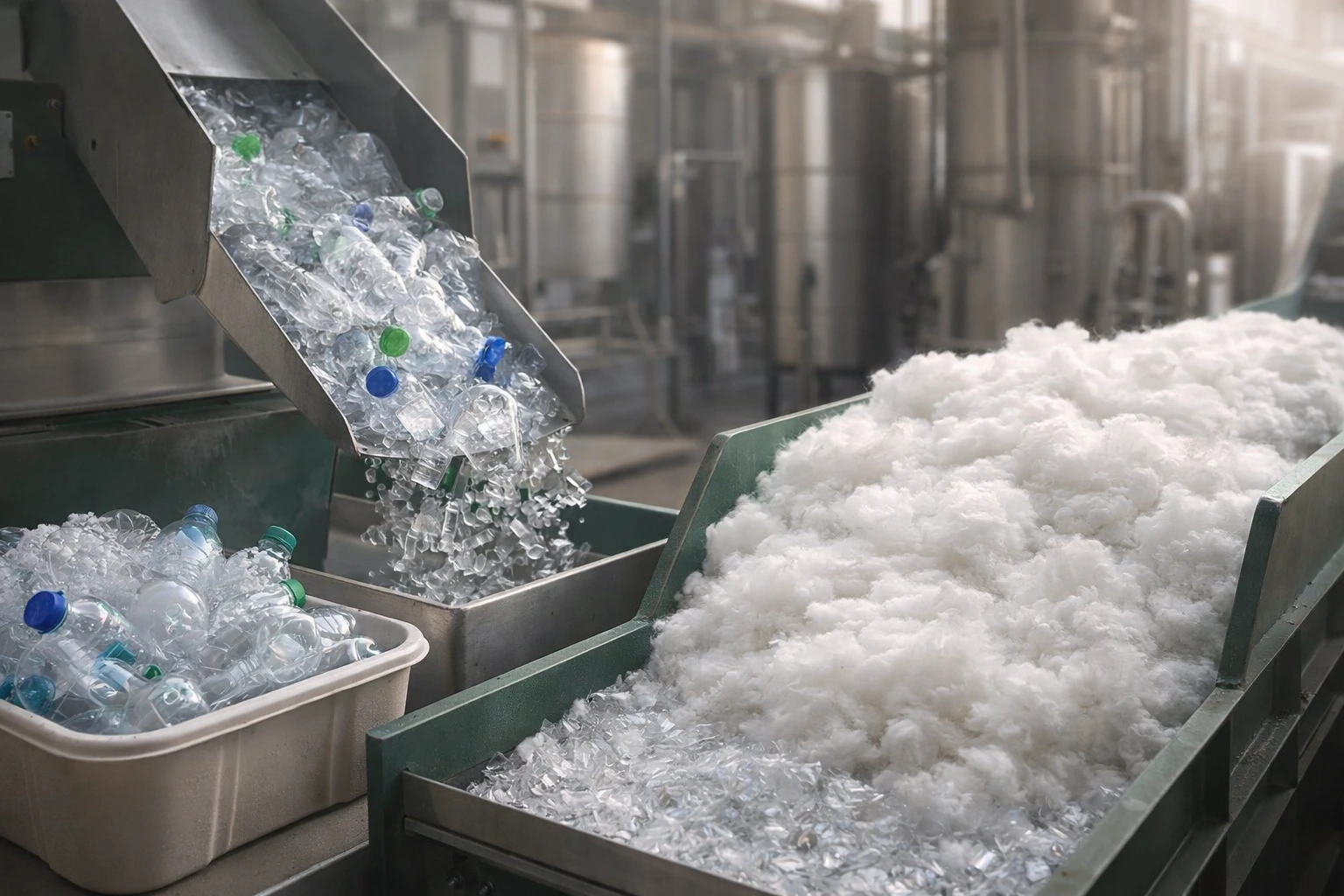
Recycled polyester fiber is manufactured by processing post-consumer plastic waste, such as PET bottles, into usable fiber. This process reduces landfill waste and conserves natural resources, making it a key contributor to sustainable textiles.
The demand for recycled polyester fiber continues to rise due to its durability, affordability, and adaptability. It offers similar performance to virgin polyester while being significantly more environmentally responsible.
Additionally, global brands are increasingly adopting sustainable fabrics to meet regulatory standards and consumer expectations. This shift has further strengthened the position of recycled fibers in international supply chains.
Why is RPSF Gaining Popularity in Global Markets?
The growing popularity of rpsf is driven by multiple global factors. Governments and regulatory bodies are encouraging industries to adopt eco-friendly materials, which has boosted the adoption of sustainable textiles.
Another major reason is cost efficiency. Manufacturers can produce high-quality products at a lower cost using recycled materials. This makes recycled polyester fiber a practical solution for bulk production.
Furthermore, industries are recognizing the diverse uses of rpsf, which makes it suitable for applications across multiple sectors. Its flexibility allows it to be used in both lightweight and heavy-duty products.
How is RPSF Used in Nonwoven Fabrics?
One of the most prominent applications of rpsf is in the production of nonwoven fabrics. These fabrics are widely used in hygiene products, medical supplies, and industrial applications.
The lightweight and durable nature of recycled polyester fiber makes it ideal for nonwoven manufacturing. It provides excellent strength and filtration capabilities, making it suitable for masks, wipes, and packaging materials.
Moreover, the demand for nonwoven fabrics has surged globally, especially in healthcare and sanitation sectors. This has further increased the relevance of uses of rpsf in modern manufacturing.
What Role Does RPSF Play in Geotextile Fabric Applications?
The construction and infrastructure sectors heavily rely on geotextile fabric for soil stabilization, drainage, and erosion control. Here, rpsf plays a crucial role due to its strength and resistance to environmental conditions.
Using recycled polyester fiber in geotextiles enhances durability while supporting sustainability goals. It also helps reduce project costs without compromising quality.
International infrastructure projects are increasingly adopting geotextile fabric made from recycled materials, highlighting the expanding uses of rpsf in large-scale developments.
How is RPSF Used in Home Furnishings?
The application of rpsf in home furnishings is another growing trend in global markets. It is widely used in cushions, pillows, mattresses, and upholstery products.
The softness and resilience of recycled polyester fiber make it an excellent filling material. It provides comfort while maintaining shape over time, which is essential for long-lasting products.
As consumers demand eco-friendly options, manufacturers are turning to sustainable fabrics in home furnishings. This shift is driving the increased adoption of recycled materials in the home décor industry.
Why is RPSF Important for Insulation Materials?
Another significant application of rpsf is in insulation materials. Its thermal and acoustic properties make it suitable for use in construction and automotive sectors.
Recycled polyester fiber helps maintain temperature control while reducing energy consumption. This makes it an efficient and sustainable choice for modern buildings.
The growing demand for energy-efficient solutions has expanded the uses of rpsf in insulation systems worldwide. Its ability to combine performance with sustainability makes it highly valuable in global markets.
How Do Industries Benefit from RPSF?
Industries across the globe benefit from using rpsf due to its cost-effectiveness and versatility. It supports large-scale production while aligning with sustainability goals.
Manufacturers producing sustainable textiles can meet both regulatory requirements and consumer expectations. This gives them a competitive advantage in international markets.
Additionally, the wide range of uses of rpsf allows businesses to diversify their product offerings without investing in entirely new raw materials.
Applications of RPSF Across Industries
|
Industry |
Application Area |
Benefits |
|
Textile |
Sustainable fabrics & apparel |
Eco-friendly and durable |
|
Healthcare |
Nonwoven fabrics |
Hygienic and disposable |
|
Construction |
Geotextile fabric |
Soil stability and strength |
|
Home Décor |
Home furnishings |
Comfort and resilience |
|
Automotive |
Insulation materials |
Thermal and sound control |
|
Packaging |
Industrial use |
Lightweight and cost-effective |
This table highlights how recycled polyester fiber is used across industries, showcasing the diverse uses of rpsf globally.
How is RPSF Supporting Sustainable Fabrics Globally?
The rise of sustainable fabrics is closely linked to the adoption of rpsf. By replacing virgin materials, manufacturers can significantly reduce their carbon footprint.
Global fashion and textile brands are investing heavily in sustainable textiles to align with environmental goals. This has increased the demand for recycled materials across supply chains.
The adaptability of recycled polyester fiber makes it suitable for a wide range of products, further strengthening its position in sustainable manufacturing.
About Saheb Fibre – Supporting Global Demand
Saheb Fibre is a trusted name in the production of high-quality recycled fibers. The company focuses on delivering reliable solutions that meet international standards.
With a strong commitment to sustainability, Saheb Fibre plays a key role in promoting the uses of rpsf across global markets. Their advanced manufacturing processes ensure consistency, durability, and eco-friendliness in every product.
By supporting industries with premium recycled polyester fiber, the company contributes to the growing demand for sustainable textiles worldwide.
What is the Future of RPSF in International Markets?

The future of rpsf looks promising as industries continue to prioritize sustainability. Technological advancements are expected to improve the quality and efficiency of recycled fiber production.
Emerging markets are also increasing their adoption of eco-friendly materials, which will further expand the uses of rpsf. From fashion to construction, the demand is expected to grow steadily.
As awareness around sustainable fabrics increases, recycled polyester fiber will play a crucial role in shaping the future of global manufacturing.
Recycled Polyester Fiber Exporters
Conclusion
The growing importance of sustainability has positioned rpsf as a key material in international markets. Its versatility and eco-friendly nature make it suitable for a wide range of applications, including nonwoven fabrics, geotextile fabric, home furnishings, and insulation materials.
The expanding uses of rpsf highlight its potential to transform industries while reducing environmental impact. As global demand for sustainable textiles continues to rise, recycled fibers will remain at the forefront of innovation.
Businesses that adopt these materials today are not only contributing to sustainability but also securing long-term growth in competitive markets.
RPSF Applications & Global Market Insights – FAQs
1. What industries use recycled polyester fiber the most?
Industries such as textiles, construction, healthcare, and automotive widely use recycled polyester fiber due to its versatility and durability.
2. Is RPSF suitable for sustainable fabrics?
Yes, rpsf is a key material in sustainable fabrics as it reduces environmental impact while maintaining performance.
3. How is RPSF used in nonwoven fabrics?
It is used to produce nonwoven fabrics for hygiene products, medical supplies, and packaging applications.
4. What are the benefits of geotextile fabric made from RPSF?
Geotextile fabric made from recycled fibers offers durability, cost efficiency, and environmental benefits in construction projects.
5. Why is RPSF popular in home furnishings?
Its softness and resilience make it ideal for home furnishings like cushions and mattresses.
6. Can RPSF be used for insulation materials?
Yes, it is widely used in insulation materials for thermal and acoustic applications in buildings and vehicles