Introduction
PET plastic plays a critical role in modern packaging, especially in the food, beverage, and consumer goods industries. From water bottles to food containers, PET has become one of the most widely used plastic materials due to its strength, clarity, and safety. However, with rising environmental concerns and stricter sustainability goals, the debate around recycled PET vs virgin PET has gained significant attention.
Manufacturers, brand owners, and packaging decision-makers are now evaluating whether recycled PET (rPET) can match the performance and safety of virgin PET, particularly in food-grade applications. This comparison matters not only from a quality standpoint but also from cost, regulatory compliance, and environmental responsibility.
This guide provides a detailed comparison of recycled PET vs virgin PET, covering safety, performance, environmental impact, cost, and applications helping you choose the right PET packaging material for your business needs.
What Is Virgin PET?
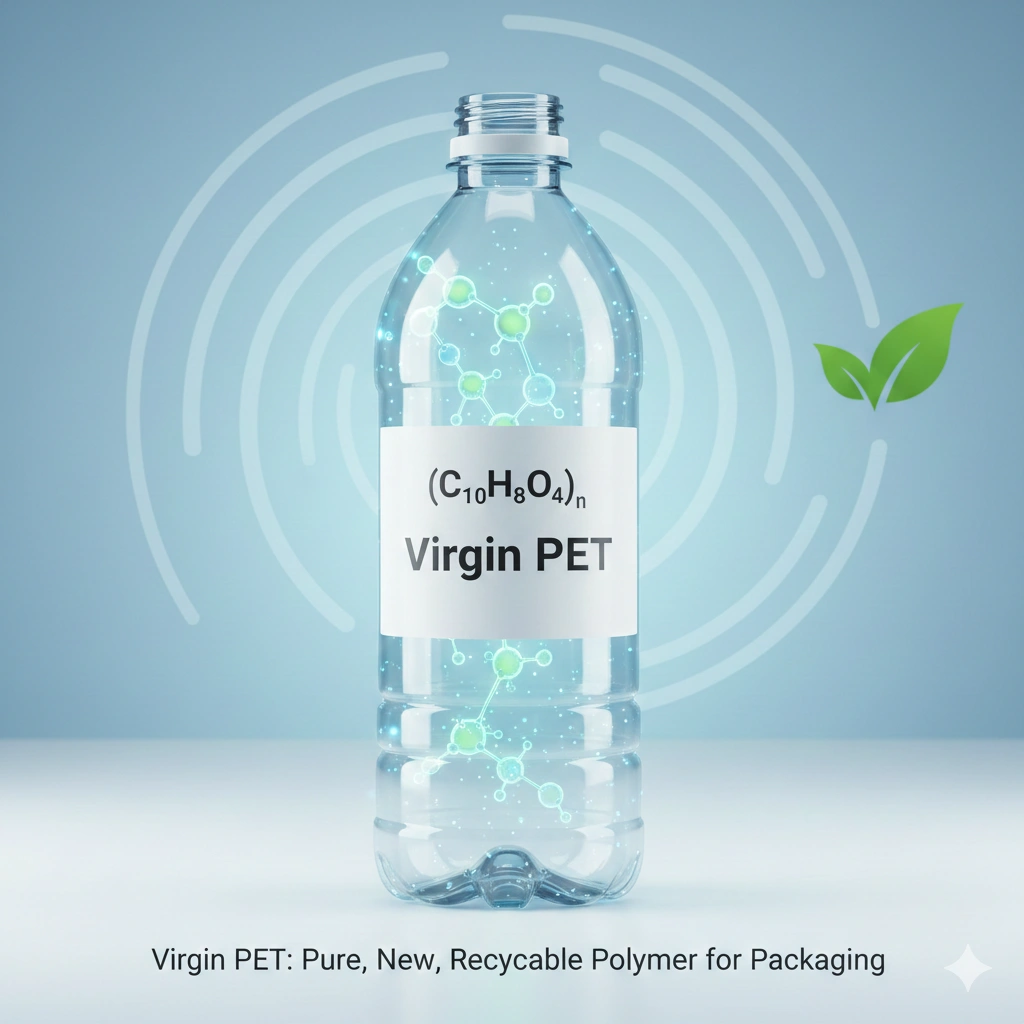
Virgin PET is PET material produced directly from petrochemical raw materials without any prior use or recycling. It is manufactured using purified monomers derived from crude oil or natural gas, ensuring maximum consistency and performance.
Characteristics of Virgin PET:
-
Superior clarity and transparency
-
High mechanical strength and durability
-
Consistent quality and color
-
Excellent suitability for food and pharmaceutical packaging
Virgin PET is widely preferred in applications where visual appeal, hygiene, and regulatory compliance are critical. Due to its purity, it is often used in:
-
Food and beverage bottles
-
Medical and pharmaceutical packaging
-
Premium consumer packaging
Despite its performance advantages, virgin PET has a higher environmental footprint due to its dependence on fossil fuels.
What Is Recycled PET (rPET)?
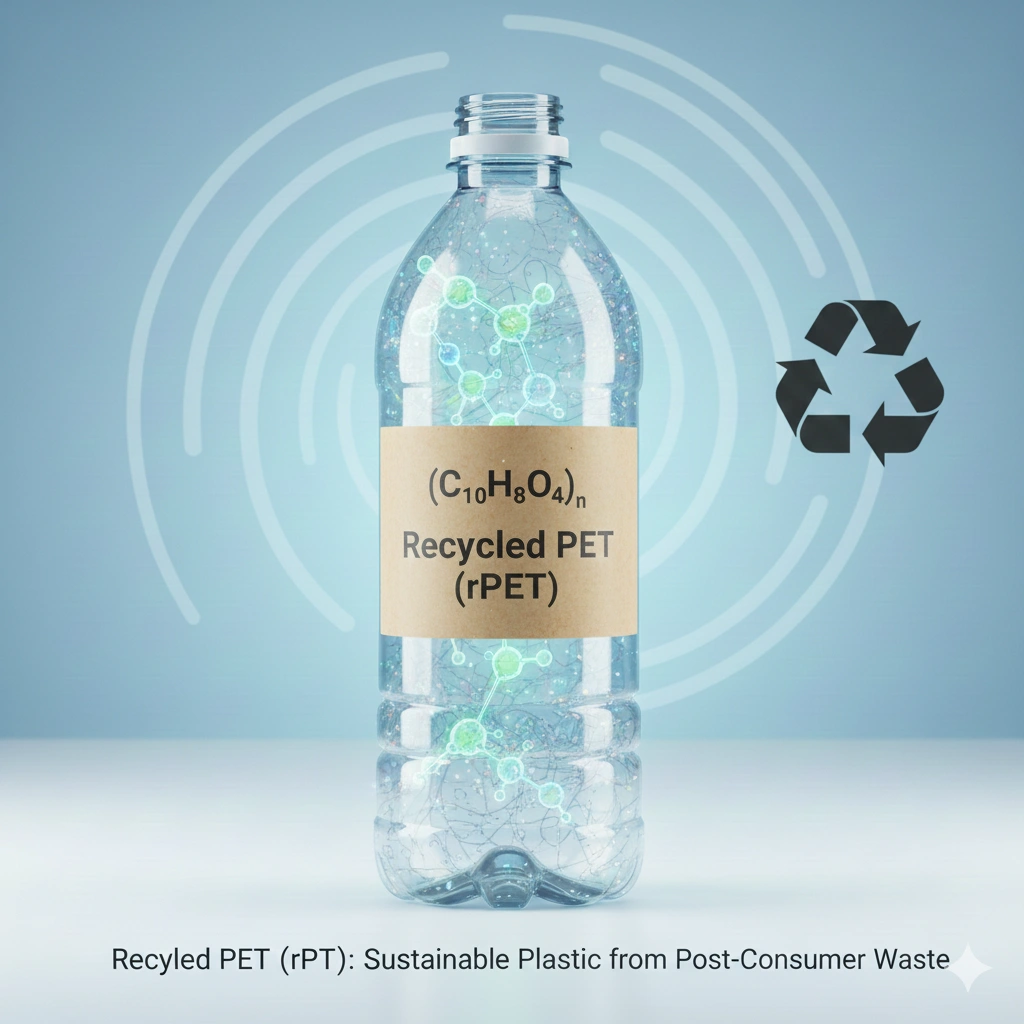
Recycled PET, commonly known as rPET, is produced by recycling used PET products such as bottles and containers. The recycling process converts waste PET into reusable rPET material, reducing plastic waste and environmental impact.
Sources of rPET:
-
Post-consumer PET waste (used bottles and containers)
-
Post-industrial PET scrap
Recycling Process:
-
Collection and sorting of PET waste
-
Cleaning and shredding into PET flakes
-
Decontamination and processing
-
Conversion into pellets or sheets for reuse
Depending on the process quality, rPET can be suitable for both food-grade and non-food-grade applications. Today, recycled PET packaging is widely used in bottles, containers, textiles, and industrial products.
How Do the Production Processes Differ?
The production of Virgin PET and Recycled PET follows different paths. These impact energy use and resources.
For Virgin PET:
-
Starts with mining fossil fuels.
-
Processes into chemicals for polymerization.
-
Involves high temperatures and significant energy from non-renewable sources.
In contrast, Recycled PET:
-
Skips the extraction step.
-
Uses existing waste that's collected, sorted, and processed into flakes.
-
Flakes are washed, dried, and extruded into new forms.
Studies show this requires up to 59% less energy than virgin production.
Here's a quick comparison table:
| Aspect | Virgin PET | Recycled PET |
|---|---|---|
| Raw Materials | Petroleum derivatives | Post-consumer waste |
| Energy Use | High (full synthesis) | Lower (reprocessing) |
| Key Steps | Extraction, refining, polymerization | Collection, sorting, melting |
| Waste Generated | More chemical byproducts | Minimal, focuses on reuse |
This difference highlights why Recycled PET aligns better with sustainable practices. Saheb Fibre's advanced tech ensures efficient flake and fiber production.
Key Differences Between Recycled PET and Virgin PET
| Feature | Virgin PET | Recycled PET (rPET) |
|---|---|---|
| Raw material source | Petrochemicals | Post-consumer PET waste |
| Environmental impact | High | Significantly lower |
| Clarity & appearance | Crystal clear | Slightly lower (improving with tech) |
| Strength & durability | Very high | Comparable with high-quality rPET |
| Food-grade suitability | Always food-safe | Food-safe when certified |
| Cost | Higher | Often more cost-effective |
| Sustainability | Low | High |
While virgin PET offers unmatched consistency, recycled PET vs virgin PET performance differences are narrowing due to advancements in recycling technology.
Food-Grade Safety: Is Recycled PET as Safe as Virgin PET?
Food safety is one of the biggest concerns when comparing recycled PET vs virgin PET. Virgin PET is inherently safe for food contact due to its controlled manufacturing process. However, modern recycling methods have made food-grade rPET a reliable alternative.
Food-Grade rPET Safety Measures:
-
Advanced decontamination processes
-
High-temperature treatment to remove impurities
-
Compliance with global food safety standards
Regulatory authorities approve rPET for food use only when it meets strict migration and purity limits. As a result, many global brands now use recycled PET packaging for food and beverages without compromising safety.
Virgin PET is still preferred for sensitive applications, but certified rPET has proven to be equally safe in most food packaging uses.
Environmental Impact: Sustainability Comparison
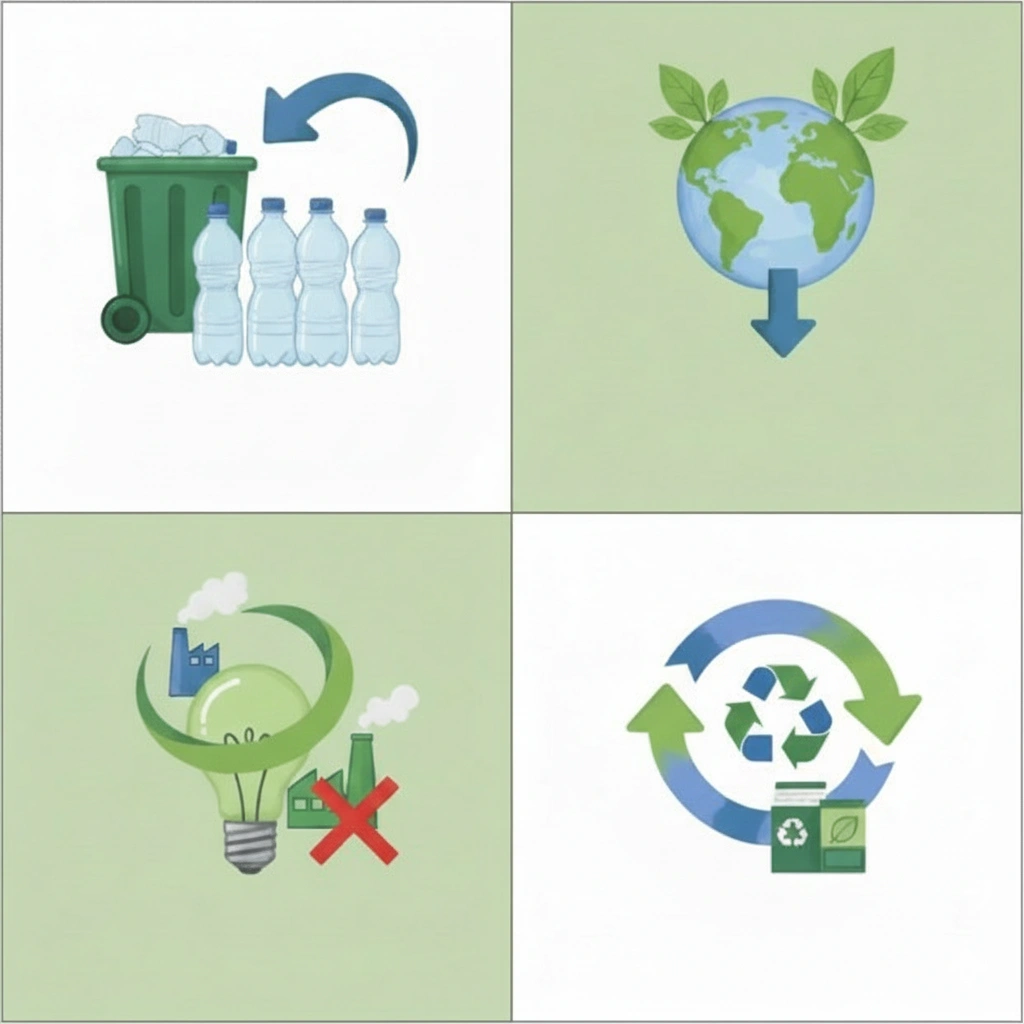
From a sustainability perspective, recycled PET clearly outperforms virgin PET. Producing virgin PET consumes large amounts of fossil fuels and energy, contributing to higher carbon emissions.
Environmental Benefits of rPET:
-
Reduces plastic waste in landfills
-
Lowers carbon footprint
-
Saves energy compared to virgin PET production
-
Supports circular economy initiatives
Sustainable packaging goals have pushed manufacturers to increase recycled content in packaging. Using recycled PET products helps companies meet environmental regulations and brand sustainability commitments.
Performance and Quality Comparison
In earlier years, rPET lagged behind virgin PET in terms of quality. Today, advanced recycling technology has significantly improved rPET performance.
Performance Comparison:
-
Strength: High-quality rPET offers strength comparable to virgin PET
-
Clarity: Slightly lower, but acceptable for most packaging
-
Thermal stability: Suitable for standard packaging processes
-
Shelf life: Comparable when processed correctly
For most applications, the performance gap between rPET material and virgin PET is minimal.
Cost Analysis: Recycled PET vs Virgin PET
Cost plays a crucial role in material selection. Virgin PET pricing is closely linked to crude oil prices, making it volatile. Recycled PET pricing depends on waste availability and recycling infrastructure.
Cost Factors:
-
Virgin PET: Higher raw material and energy costs
-
rPET: Potentially lower cost with stable supply
Many manufacturers find recycled PET vs virgin PET cost comparison favors rPET in the long term, especially when sustainability incentives and regulations are considered.
Applications: Where Each Material Works Best
Virgin PET Applications:
-
Food and beverage bottles
-
Pharmaceutical packaging
-
High-clarity containers
Recycled PET Applications:
-
Bottles and containers
-
Trays and clamshell packaging
-
Textile fibers and strapping
With reliable rPET suppliers, recycled PET is now widely used in food and non-food packaging applications.
Advantages and Disadvantages of Recycled PET and Virgin PET
Virgin PET: Advantages
-
Made from pure petrochemical raw materials, ensuring consistent quality
-
Excellent clarity, transparency, and gloss
-
High mechanical strength and durability
-
Widely accepted for food and pharmaceutical packaging
-
Reliable performance for high-precision packaging needs
Virgin PET: Disadvantages
-
High carbon footprint due to fossil fuel dependency
-
Higher production cost compared to recycled PET
-
Contributes to increased plastic waste if not recycled
-
Less aligned with sustainable packaging goals
Recycled PET (rPET): Advantages
-
Produced from post-consumer PET waste, reducing landfill plastic
-
Significantly lower environmental impact than virgin PET
-
Supports circular economy and sustainable packaging initiatives
-
Cost-effective for many packaging applications
-
Suitable for food contact when certified and properly processed
Recycled PET (rPET): Disadvantages
-
Slight variations in color and clarity may occur
-
Quality depends on recycling process and raw material source
-
Limited availability of food-grade rPET in some regions
-
Requires reliable rPET suppliers for consistent performance
Future Trends in PET Packaging
The future of PET packaging is moving toward higher recycled content. Governments and brands are pushing for:
-
Increased use of rPET material
-
Mandatory recycled content in packaging
-
Innovation in chemical recycling
-
Expansion of certified rPET suppliers
As recycling technology improves, recycled PET is expected to dominate the PET packaging material market.
Which Is Better: Recycled PET or Virgin PET?
There is no one-size-fits-all answer in the recycled PET vs virgin PET debate. Virgin PET remains the best choice for applications requiring absolute purity and consistency. However, recycled PET has proven to be a safe, cost-effective, and environmentally responsible alternative for most packaging needs.
For businesses aiming to reduce environmental impact while maintaining performance, recycled PET packaging is the future of sustainable packaging.
Conclusion
Both Recycled PET and Virgin PET have valuable roles in today’s manufacturing landscape. Virgin PET offers consistency and performance for premium applications, while recycled PET delivers significant sustainability benefits and supports circular economy goals.
Choosing between them depends on your application needs, sustainability goals, budget considerations, and regulatory requirements. As recycling technologies continue to improve, rPET is poised to close the quality gap even further making it a compelling choice for eco-conscious brands and industries.
FAQs
1. Is recycled PET safe for food packaging?
Yes, certified food-grade rPET is safe when produced under approved standards.
2. Can rPET replace virgin PET completely?
In many applications, yes especially packaging and consumer goods.
3. What are PET flakes?
PET flakes are cleaned, shredded PET waste used as raw material for recycling.
4. Why choose recycled PET products?
They reduce environmental impact and support sustainable packaging goals.